


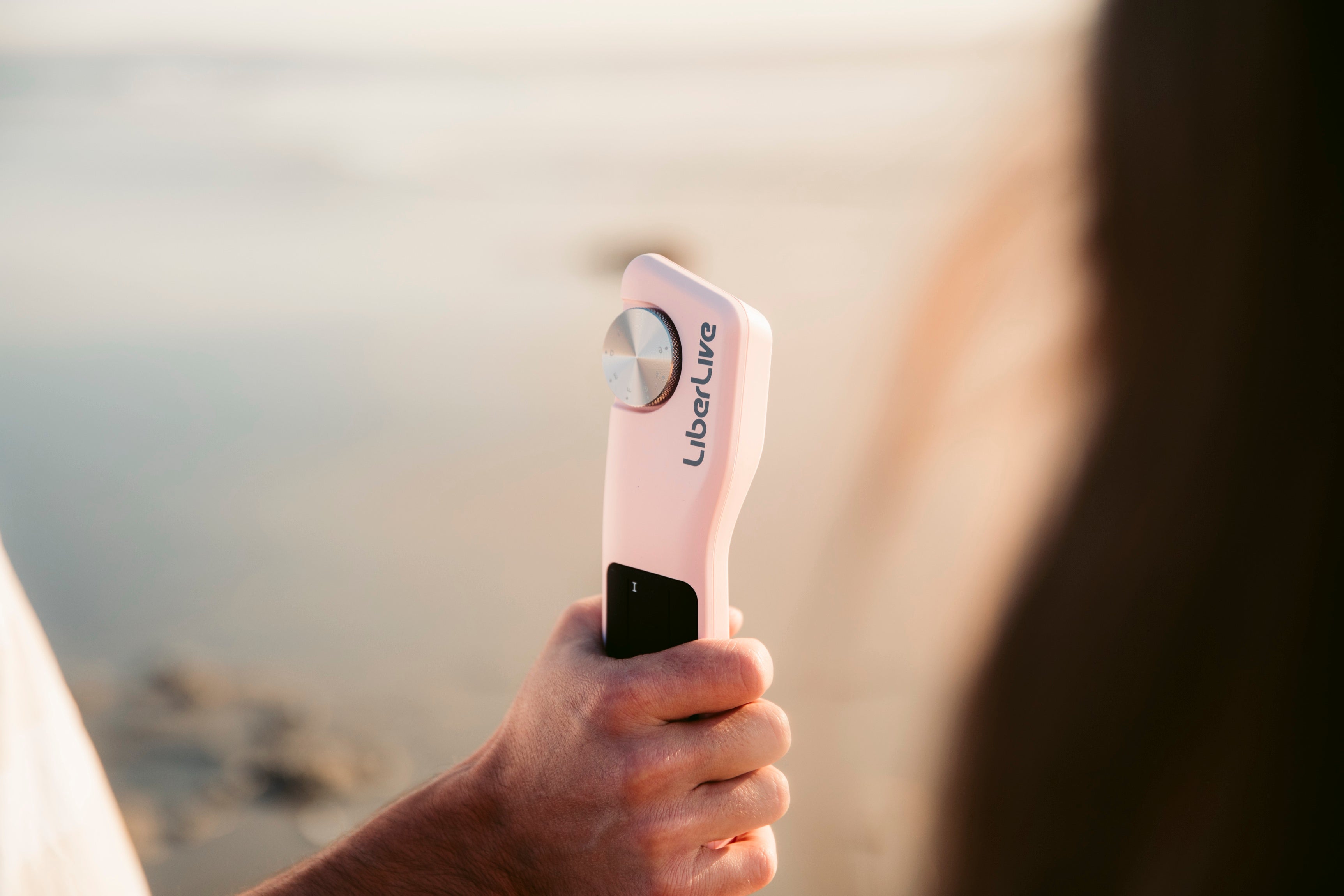
A portable guitar is not just a small guitar. It is a guitar you can carry without planning your whole day around it, hear without dragging extra gear around, and set up fast enough that you still feel like playing.
Size matters, but it is only one part of the question. A guitar can be short and still annoying to pack. Another can be slightly larger but easier to live with because it is light, protected by a good case, has useful output options, or does not need an amp every time you want to play.

Quick answer: portability is about more than size
Section job:
- Give the reader the working definition immediately.
- Explain the four-part test: carry size, real weight, sound output, setup time.
- Say that the right choice depends on where the reader plays: bedroom, dorm, travel, camping, family gathering, singing practice, short video, or casual songwriting.
Must cover:
- Portable means lower friction, not just smaller dimensions.
- A guitar that needs an amp, cable, pedal, interface, stand, and power outlet may feel less portable in real life.
- A smaller body can change tone, volume, and playing feel.
Possible paragraph direction:
If you want one rule, use this: a portable guitar is the one you will actually pick up and bring with you. That sounds obvious, but it filters out a lot of bad choices. If the guitar is light but needs three extra pieces of gear, it may not be portable for your use case.
Size: can you carry it comfortably?
Section job:
- Explain size in practical terms: total length, folded length if applicable, body depth, case size, and storage space.
- Avoid saying "smaller is always better."
Must cover:
- Traditional travel guitars often use shorter scale lengths or smaller bodies.
- Small bodies can be easier to store but may feel cramped for some adults.
- A folded instrument solves a different problem: bag size and storage footprint.
- Air travel depends on airline storage space and specific airline rules.

Facts to support:
- Yamaha APXT2 official specs list a 34 1/8 in total length and 22 13/16 in scale length.
- Martin LX1 Little Martin uses a shorter 23 in scale length and a modified 0 body size.
- U.S. DOT rules allow small instruments such as guitars in the cabin if they can be stowed safely and space is available when the passenger boards.
Weight: will you actually bring it with you?
Section job:
- Make weight feel concrete for buyers.
- Explain that a guitar can be "portable on paper" but still tiring once the case, strap, charger, and accessories are included.
Must cover:
- Weight matters most when the player walks, takes public transit, flies, or carries other bags.
- A gig bag changes the real carry experience.
- For home use, weight affects whether the instrument sits out and gets played.
Facts to support:
- LiberLive C1 official specs list 1788 g / 3.94 lb.
- The "actual carry weight" should include the instrument plus case and any must-have accessories.
Speakers and sound output: do you need extra gear?
Section job:
- Explain why sound output is part of portability.
- Separate acoustic volume, built-in speaker, headphone output, line out, and amp dependence.
Must cover:
- Acoustic travel guitars can be portable because they do not require power.
- Electric and smart instruments may be physically easy to carry but less portable if they need an amp or speaker.
- Built-in speakers help when the goal is quick practice, singing, or a small room.
- Headphone output matters for dorms, apartments, hotels, and late-night practice.
Facts to support:
- LiberLive C1 official specs list built-in speaker specs and a 3.5 mm line out.
- LiberLive FAQ says C1 can connect to external headphones, speakers, devices, or a sound card through the output path.
Setup time: the hidden part of portability

Section job:
- Make the article's strongest practical point: setup cost is part of portability.
- Lead naturally toward LiberLive without hard selling.
Must cover:
- A portable guitar should reduce steps between "I want to play" and "I am playing."
- Traditional guitars may need tuning. Electric guitars may need an amp. MIDI guitars may need software. App-based instruments may need Bluetooth/app setup.
- Setup is especially important for beginners because friction kills practice.
Possible paragraph direction:
The question is not only "Can I carry it?" It is also "Will I still play after I carry it?" If you need ten minutes to find a cable, open software, tune, pair a device, and adjust volume, the guitar may lose the moment.
Link use: mention the LiberLive app if discussing app-guided setup and free song/chord support.
Portable guitar vs travel guitar vs smart guitar
Section job:
- Clarify category confusion for SEO and reader trust.
- Help the reader choose by job, not label.
Must cover:
- Portable guitar: broad term for any guitar that is easier to carry and use.
- Travel guitar: usually a compact or reduced-size acoustic/electric guitar designed for trips.
- Smart guitar: adds digital features such as app support, speakers, guided chords, effects, MIDI, or assisted playing.
- Stringless smart guitar: not the same as a traditional travel guitar. It solves access and setup more than traditional technique.
Internal link opportunities:
What to check before buying a portable guitar
Section job:
- Give the reader a practical checklist.
- Use this as the conversion-aware decision section.
| Check | Why it matters | What to look for |
|---|---|---|
| Carry size | Determines whether it fits your room, car, luggage, or overhead plan | Total length, folded size, case dimensions |
| Weight | Determines whether you will actually bring it | Instrument weight plus case and accessories |
| Sound output | Determines whether extra gear is required | Acoustic volume, built-in speaker, headphone jack, line out |
| Setup time | Determines whether beginners keep playing | Tuning, amp setup, app connection, battery charging |
| Battery | Matters for smart or electric portable instruments | Real play time with speakers and external output |
| Skill path | Prevents the wrong purchase | Traditional technique vs fast accompaniment |
Must cover:
- The buyer should decide where they will use the guitar before comparing specs.
- A beginner who wants to sing tonight and a guitarist who wants proper fretting technique should not buy for the same reason.
Where LiberLive C1 fits
Section job:
- Position C1 honestly as a portability-by-setup-reduction option.
- Keep the tone light conversion, not hard sell.
Must cover:
- C1 is relevant if the reader wants easy chord backing, singing accompaniment, short practice sessions, casual creativity, or a gift that does not demand traditional guitar skill first.
- C1 is not positioned as the best choice for someone whose main goal is traditional fretting, bends, fingerpicking, or full acoustic/electric guitar technique.
- Its portability argument comes from folded size, low weight, built-in speakers, line out, free app support, no tuning, and less setup friction.

Verified facts to use:
- Weight: 1788 g / 3.94 lb.
- Folded size: 416 x 164 x 81 mm / 16.38 x 6.46 x 3.19 in.
- Unfolded size: 808 x 264 x 81 mm / 31.81 x 10.39 x 3.19 in.
- Battery: up to 6 hours using built-in speakers, about 12 hours using an external device.
- Charging: USB Type-C, about 2 hours.
- Output: 3.5 mm line out.
- App: free app, chord sheets, light guidance, rhythm patterns, guitar/piano/bass tone switching, tutorial videos.
- FAQ: product can work independently without the app, while the app adds custom chords, rhythm switching, drum machine options, tempo, and pitch adjustments.
Internal links:
CTA direction:
If your version of "portable" means fast setup, built-in sound, and easy song accompaniment, C1 is worth checking. If your version means learning traditional guitar technique on real strings, compare it with a travel guitar instead.
FAQ
What makes a guitar portable?
Answer direction:
A guitar is portable when it is easy to carry, quick to set up, and practical to hear in the places where you want to play. Size helps, but weight, case design, speaker/output options, and setup time matter too.
Is a travel guitar the same as a portable guitar?
Answer direction:
Not exactly. A travel guitar is one kind of portable guitar, usually smaller than a standard acoustic or electric. A portable guitar can also be a foldable instrument, a lightweight full-size guitar, or a smart guitar that reduces the need for extra gear.
Do portable guitars need built-in speakers?
Answer direction:
No. Acoustic travel guitars do not need speakers. Built-in speakers matter more for smart guitars, electric-style practice, singing accompaniment, or casual playing where you do not want to bring an amp.
Is a smaller guitar always easier to play?
Answer direction:
No. A smaller guitar can be easier to hold, but it may feel cramped or sound quieter. Comfort depends on body size, neck feel, string tension, and what kind of music the player wants to play.
Is LiberLive C1 a travel guitar?
Answer direction:
LiberLive C1 is better described as a foldable stringless smart guitar. It is portable, but it is not the same category as a traditional travel acoustic guitar. It is built for easy chord playing, singing accompaniment, and fast setup.
Can I fly with a portable guitar?
Answer direction:
Sometimes, but check the airline before flying. U.S. rules allow small musical instruments such as guitars in the cabin when they can be stowed safely and space is available at boarding. That does not guarantee every guitar will fit on every aircraft.
Share this article:
Learn Guitar Without Sore Fingers: What New Players Should Know
Party Essentials Checklist: 10 Must-Haves for a More Fun Gathering